
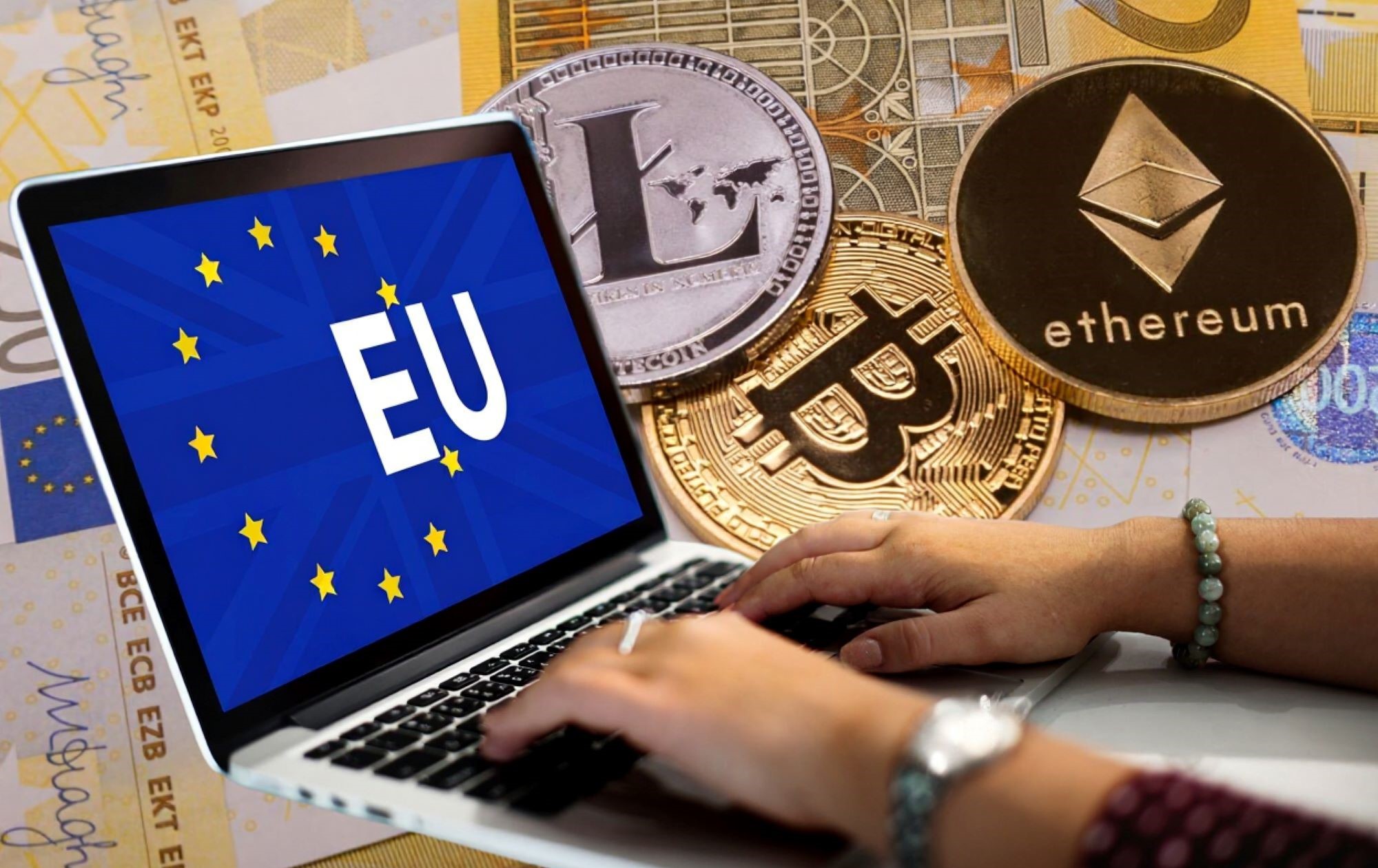
Hey there! If you’re diving into the crypto world in the EU, you’ve probably bumped into the term KYC—which stands for “Know Your Customer.” It’s that pesky verification process where exchanges ask for your ID, proof of address, and sometimes even more. Sounds tedious, right? That’s where No-KYC crypto converters come into play. These platforms let you swap cryptocurrencies without handing over your personal documents. In a world where privacy is gold, especially for crypto users, these converters are a breath of fresh air. Let’s unpack everything you need to know about No-KYC crypto converters for EU users—from how they work, their benefits and risks, to the top platforms you can use today.
What Does No-KYC Mean in Crypto?
No-KYC in the crypto world refers to services that allow users to trade, exchange, or convert cryptocurrencies without the need to submit any personal identification documents. Unlike traditional financial institutions or many centralized exchanges, which require detailed identity verification to comply with regulations such as anti-money laundering (AML) and counter-terrorism financing (CTF), no-KYC platforms skip this step entirely. This means you can use these services without uploading your passport, driver’s license, or proof of address, preserving your privacy while conducting crypto transactions.
This approach appeals to many crypto users who value anonymity and want to avoid the lengthy and sometimes intrusive verification processes typical of regulated exchanges. KYC procedures often involve uploading sensitive personal information, waiting days or even weeks for approval, and increasing the risk of data breaches. By eliminating these steps, no-KYC crypto converters streamline the process, offering instant swaps or trades that don’t require users to reveal their identities or store their data on the platform.
It’s helpful to think of no-KYC converters like a currency exchange booth you might find at an airport, where you swap one fiat currency for another quickly and without extensive paperwork. In the crypto context, instead of euros or dollars, you’re swapping cryptocurrencies directly from your wallet. Because there’s no account creation or identity check involved, the process is faster, simpler, and designed to respect your privacy, but it often comes with some trade-offs, such as limits on transaction sizes or slightly higher fees.
However, it’s important to understand that no-KYC doesn’t mean no regulation. These services often operate in a legal gray area, especially in jurisdictions with strict financial laws like the EU. While they provide a convenient and private way to swap coins, users should always be aware of the potential risks involved and make sure they’re complying with their local laws. Still, no-KYC crypto converters remain popular among those who prioritize speed, privacy, and ease of use over full regulatory compliance.
Why EU Users Look for No-KYC Crypto Converters
EU regulations have become much stricter recently, especially with the enforcement of the 5th Anti-Money Laundering Directive (5AMLD), which requires cryptocurrency exchanges to perform comprehensive KYC (Know Your Customer) checks. These checks involve submitting official identification documents and personal information to verify the user’s identity before allowing any crypto transactions. While these rules aim to curb illegal activities, many EU users still prefer no-KYC crypto converters for several detailed reasons:
- Privacy Concerns: Many users are uncomfortable sharing highly sensitive personal information online, such as passports, driver’s licenses, and proof of address. They worry about data breaches, identity theft, or misuse of their personal data by third parties. No-KYC converters help keep their identity and financial transactions private.
- Speed and Convenience: KYC procedures can take hours, days, or even weeks, delaying access to crypto services. This is inconvenient for users who want to quickly swap cryptocurrencies without waiting for lengthy verification processes. No-KYC converters allow near-instant swaps, saving valuable time.
- Avoiding Complex Documentation: Some users do not have all the documents required for KYC verification or find gathering and submitting them burdensome. This is especially true for people with unstable living situations or those who live in regions with limited access to official documents.
- Bypassing Geo-Restrictions: Certain exchanges restrict access based on the user’s country or region, especially within the EU where regulations differ between member states. No-KYC converters often operate globally or outside strict jurisdiction, enabling users from restricted areas to trade freely.
- Small Transaction Volumes: For casual traders or users dealing in small crypto amounts, going through the full KYC process can seem unnecessary and overly complicated. No-KYC platforms allow these users to conduct low-volume swaps without cumbersome compliance steps.
- Desire for Anonymity: Some crypto users simply value the ability to transact without revealing their identity or transaction history, preserving their anonymity in financial dealings.
- Reduced Risk of Data Exposure: Submitting documents for KYC creates digital records that could be hacked, leaked, or sold. No-KYC converters minimize this risk by not collecting or storing personal information.
- Freedom from Account Creation: Many no-KYC converters don’t require users to create accounts or store funds on the platform, reducing dependency on third parties and lowering the risk of account hacks or freezes.
- Ease of Access for Newcomers: New or inexperienced crypto users may find no-KYC converters more approachable, as they eliminate intimidating verification steps that could discourage beginners.
- Avoiding Regulatory Overreach: Some users are skeptical of the regulatory environment and prefer platforms that limit governmental or institutional control over their financial activities.
How Do No-KYC Crypto Converters Work?
| Step | Description | User Action | Platform Role | Outcome |
| Initiate Swap | User selects the cryptocurrencies they want to exchange. | Choose input coin and amount, select output coin. | Provides exchange rates and available trading pairs. | Sets up the swap parameters. |
| Provide Wallet Address | User inputs their receiving wallet address for swapped coins. | Enter the destination wallet where swapped coins will be sent. | Validates the address format but does not require personal details. | Prepares to send swapped crypto to the user. |
| Send Crypto to Converter | User sends their crypto to a specified deposit wallet address. | Transfer funds from personal wallet to converter’s wallet. | Monitors blockchain for incoming deposit. | Receives user’s crypto to begin swap. |
| Swap Processing | Platform processes the exchange, either automatically or manually. | No additional action needed from the user. | Executes trade by swapping coins on liquidity pools or partner exchanges. | Converts original crypto into the desired one. |
| Return Swapped Crypto | Platform sends swapped coins to the user’s wallet address. | Wait and confirm receipt of swapped coins. | Broadcasts transaction to blockchain network. | User receives the swapped cryptocurrency. |
Popular No-KYC Crypto Converters Available for EU Users
For EU users looking to swap cryptocurrencies without the hassle of identity verification, several no-KYC crypto converters stand out due to their reliability, ease of use, and broad coin support. One such platform is ChangeNOW, which supports over 200 cryptocurrencies including popular ones like Bitcoin (BTC), Ethereum (ETH), Litecoin (LTC), and Ripple (XRP). ChangeNOW offers fixed exchange rates and charges fees ranging from 0.5% to 1.0%, making it a convenient choice for users who want predictable costs and no registration requirements. The platform’s straightforward interface allows users to complete swaps quickly, making it a favorite among privacy-conscious traders in the EU.
Another prominent player in the no-KYC space is Swapzone, which functions as a decentralized exchange aggregator. Supporting more than 300 coins, Swapzone connects users to multiple no-KYC swap services, offering a wide variety of crypto pairs and competitive rates that vary depending on the underlying exchange used. This aggregator model provides users with more options and the ability to compare prices across different converters, enhancing transparency and helping users find the best deals without going through identity checks.
SimpleSwap is also widely used in the EU for its simplicity and speed. Supporting more than 300 cryptocurrencies, SimpleSwap offers instant swaps with no limits on transaction sizes, catering well to both small and larger trades. Fees typically range between 0.5% and 1.5%, which is competitive given the platform’s quick processing times and user-friendly design. Because it does not require KYC, SimpleSwap appeals to users who want to avoid delays and cumbersome documentation while still having access to a broad selection of tokens.
Finally, platforms like Godex and SideShift.ai further enrich the no-KYC ecosystem for European users. Godex supports over 250 cryptocurrencies, emphasizing privacy by not requiring any personal data and charging a flat fee of 0.5%. This makes it attractive for users who prioritize anonymity. SideShift.ai offers competitive fees with fast processing times for over 30 supported coins, focusing on no-KYC principles and providing a smooth user experience. Both platforms combine ease of use with strong privacy features, meeting the demand for quick and secure crypto swaps without identity verification. Together, these converters provide EU users with a range of options to suit different needs, whether it’s a broad coin selection, low fees, or maximum privacy.
Comparing No-KYC Crypto Converters: Features and Fees
When choosing a no-KYC crypto converter, it’s important to consider several factors to ensure you get the best experience tailored to your needs. Here’s a detailed list of key points to evaluate when comparing different platforms:
- Supported Cryptocurrencies: Different converters support varying ranges of coins and tokens. If you want to swap popular coins like Bitcoin or Ethereum, most platforms will have you covered. However, if you’re interested in privacy-focused coins such as Monero or lesser-known altcoins, it’s crucial to check whether the converter supports them. A broader coin selection gives you more flexibility.
- Fees Charged: No-KYC converters typically charge higher fees than centralized exchanges to compensate for the lack of user verification and increased operational risks. These fees can range from around 0.5% up to 1.5% or more per swap. Always compare the fee structure and see if it fits within your budget, especially if you plan to make frequent trades.
- Transaction Speed: The time it takes to complete a swap can vary widely. Some no-KYC converters process transactions in mere seconds, offering instant swaps ideal for quick market moves. Others might take several minutes due to manual checks or slower blockchain confirmations. Speed matters, particularly in volatile markets.
- Swap Limits: Many no-KYC platforms impose limits on the minimum and maximum amounts you can swap per transaction. These limits exist partly to reduce regulatory risks. If you plan to trade large volumes, ensure the converter’s limits accommodate your needs, or consider splitting transactions accordingly.
- User Interface and Experience: A clean, intuitive interface makes the swapping process straightforward, especially for beginners. Look for converters that offer simple navigation, clear instructions, and helpful support. Some platforms also provide mobile-friendly designs or apps for on-the-go swaps.
- Privacy Protections: Not all no-KYC converters offer the same level of privacy. Some may log IP addresses or track transaction histories, potentially compromising anonymity. Choose platforms that explicitly state they don’t collect personal data or log identifiable user information to maximize your privacy.
- Liquidity and Rate Stability: The availability of liquidity affects how favorable the exchange rates are. Platforms connected to multiple liquidity sources usually provide better rates with less slippage. Check if the converter offers fixed rates or variable rates, and whether they protect you from sudden price changes during the swap.
The Pros of Using No-KYC Crypto Converters
| Benefit | Description | User Advantage | Why It Matters | Example Scenario |
| Privacy and Anonymity | Users don’t have to submit personal identification or documents. | Maintains financial privacy and anonymity. | Protects users from data breaches and identity theft. | A user swaps crypto without fear of exposing personal details. |
| Speed | Swaps are processed quickly, often instantly or within minutes. | Enables rapid trading and timely market action. | Avoids delays common with KYC verifications. | A trader capitalizes on sudden price movements without waiting days. |
| Ease of Use | No account creation or lengthy verification required. | Simplifies the process, especially for beginners. | Removes barriers that can intimidate new users. | A newcomer can quickly convert coins without signing up. |
| Access for Everyone | Users without passports, residency proofs, or other documents can still trade. | Broadens participation to underserved or undocumented users. | Enables crypto access to people excluded by traditional KYC. | A user in a country with limited official ID can still swap coins. |
| Lower Barriers for Small Transactions | No need for complex KYC when trading small amounts of crypto. | Reduces hassle and saves time for casual or low-volume traders. | Makes micro-trading or testing new platforms easier. | Someone experimenting with crypto can make quick swaps without paperwork. |
The Risks and Downsides You Need to Know
While no-KYC crypto converters offer many attractive benefits, it’s important to understand that they are not without their drawbacks and risks. One of the most common downsides is the higher fees associated with using these services. Because no-KYC platforms operate without traditional verification, they often face higher operational risks and lower regulatory compliance, which can lead them to charge premium fees compared to fully regulated exchanges. For users, this means that the convenience of quick, anonymous swaps can come at a steeper cost, especially for frequent or large transactions.
Another limitation to be aware of is the restrictions on trade amounts. Many no-KYC converters impose limits on how much cryptocurrency you can swap in a single transaction or within a set period. These limits are in place to reduce regulatory scrutiny and prevent illicit use, but they can frustrate users who want to trade large volumes. If your trading needs exceed these thresholds, you might find yourself having to split transactions or seek other platforms, which can add complexity and potentially more fees.
Security is also a critical concern with no-KYC platforms. Because many of these services are less regulated and sometimes operate from jurisdictions with loose oversight, the risk of encountering scams, fraud, or poor security practices increases. Without a formal account system, users have fewer protections if something goes wrong. For example, if funds are sent to the wrong address or lost due to technical errors, recovery options are typically nonexistent. This lack of customer support or dispute resolution can lead to irreversible losses, which is a major risk factor for anyone using these converters.
Lastly, the legal status of no-KYC crypto converters can be murky, especially in the European Union where regulations are tightening. Some countries within the EU have started cracking down on platforms that operate without KYC and AML compliance. This legal uncertainty means that users might face consequences if they use no-KYC services in ways that local laws consider illicit or non-compliant. Additionally, platforms themselves could be forced to shut down or limit services, leaving users scrambling to find alternatives. It’s crucial to stay informed about your local regulations and exercise caution when using these converters to avoid potential legal troubles.